
Bite Size Info
No time for long reads?
I gather the most inspiring tidbits from my research to share with you.
Find them here and feed your curiosity, bit by bit.

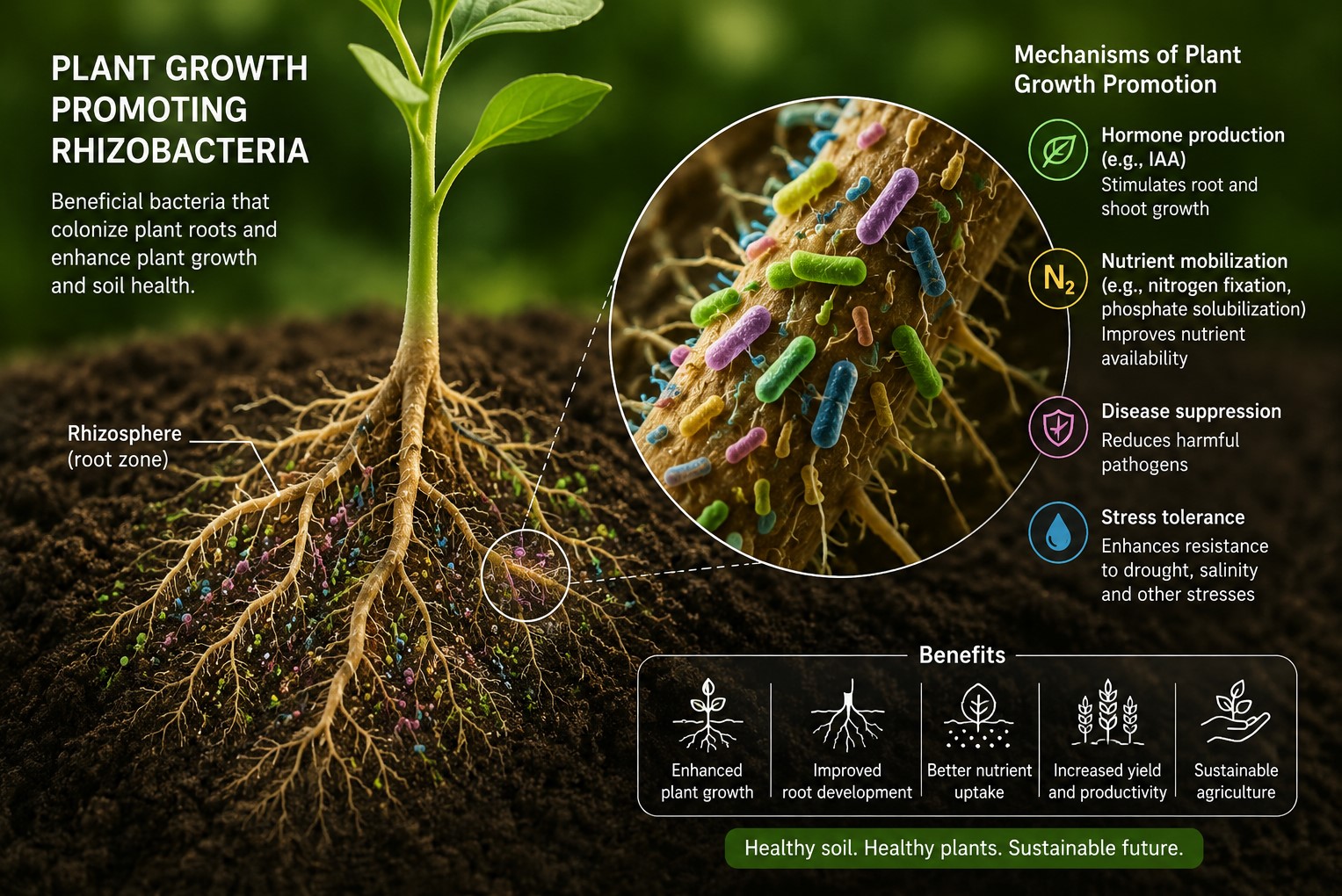
Plant Growth Promoting Rhizobacteria — Your Soil Already Has a Fertilizer Factory
Certain soil bacteria are capable of pulling nitrogen from the air and converting it into a form plants can use. No synthetic inputs, no energy-intensive industrial process — just biology. These bacteria are called Plant Growth Promoting Rhizobacteria, or PGPR. They...
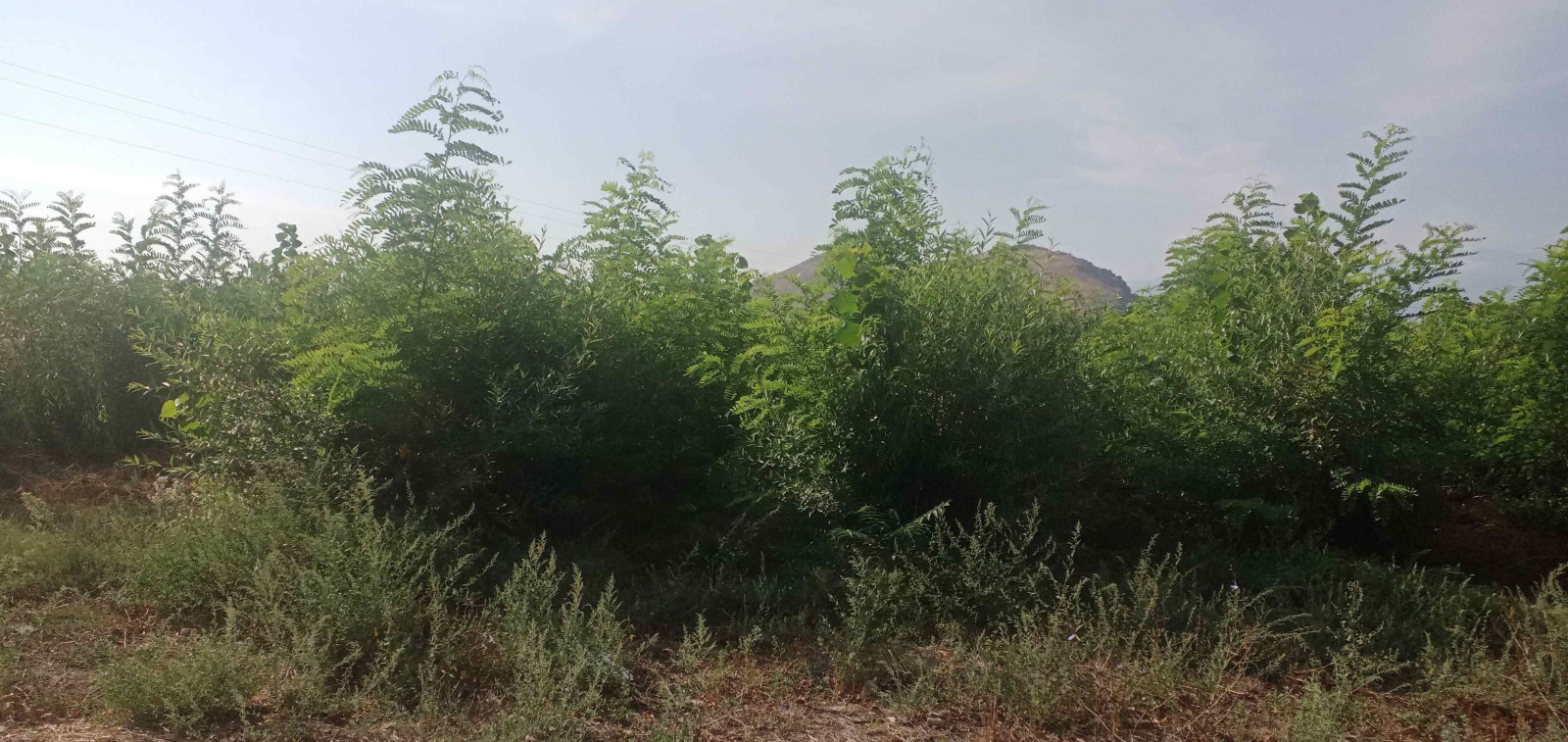
What is Syntropic Farming?
Syntropic farming is an innovative agricultural method that mimics natural ecosystems to create sustainable, regenerative landscapes. Developed by Ernst Götsch in Brazil, it integrates biodiversity and ecological processes, strategically grouping plants to perform...
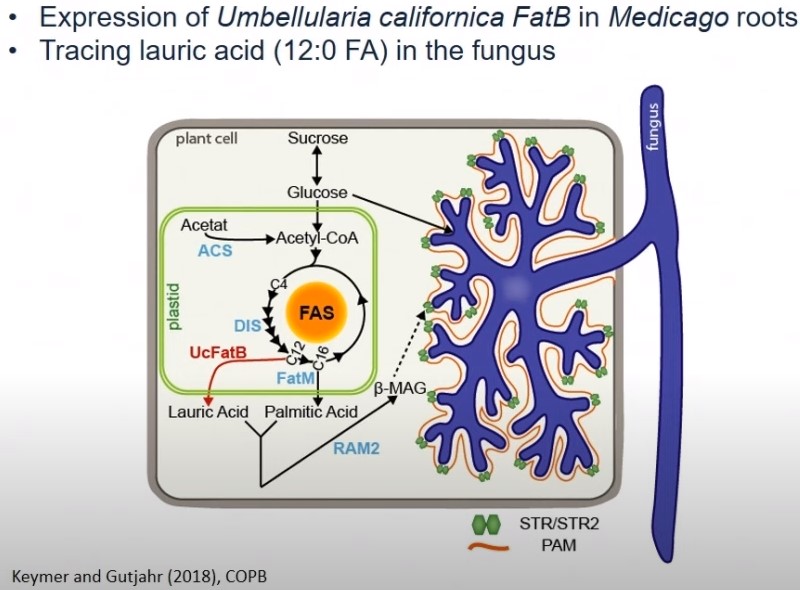
Arbuscular mycorrhiza is fed lipids from the symbiotic plant!
In this amazing lecture Prof. Dr. Caroline Gutjahr explains how they have found that host plants feed Arbuscular mycorrhizal Fungi (AMF) not only complex carbohydrates but also lipids.[1] It turns out that AMF are so reliant on their hosts, that they have lost the...
Coppicing
Coppicing is a method of woodland management where trees are cut down close to the ground level. This cutting encourages the trees to grow new shoots from their stumps. The new shoots grow from the multitude of dormant buds in the root collar (the area where the roots...
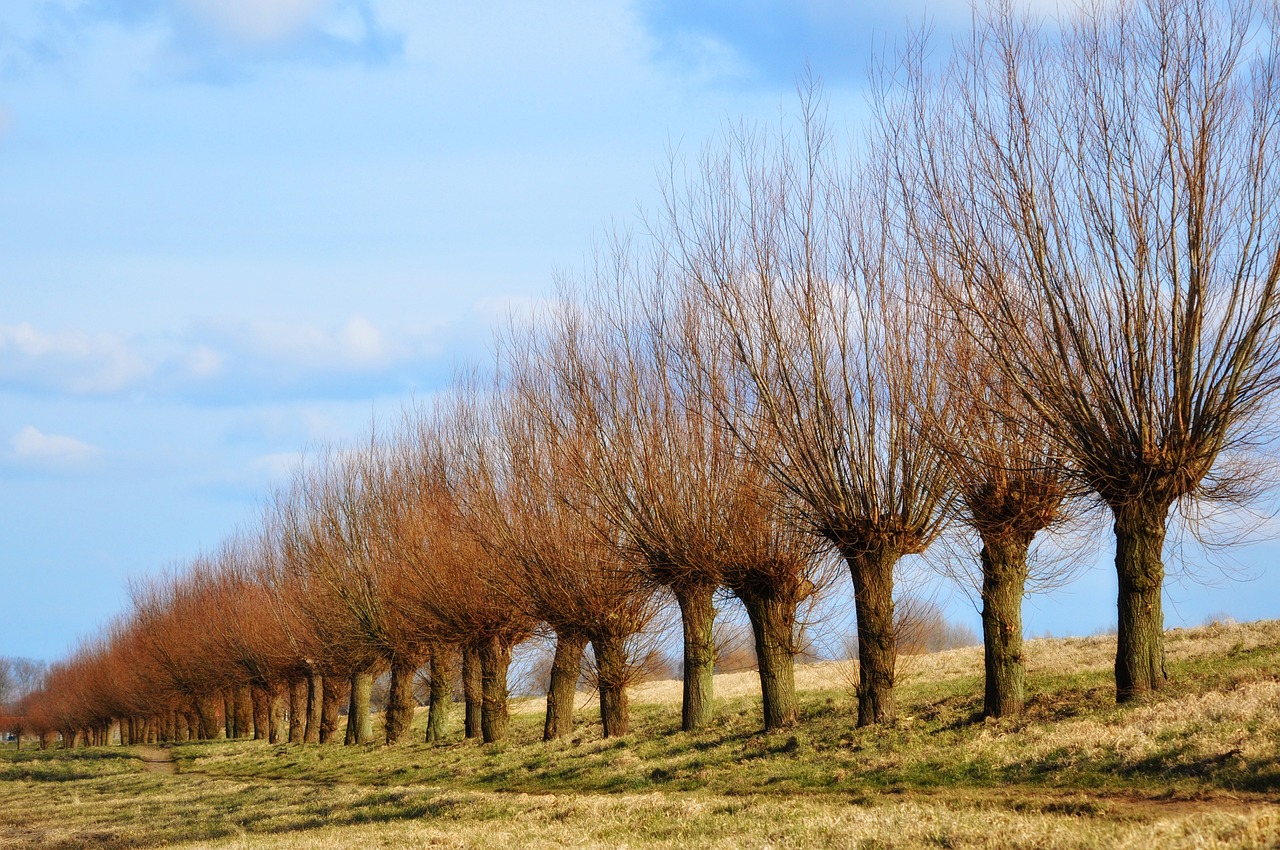
Pollarding
Pollarding is a pruning system which consist of removing most or all of the branches of a tree back to the formed pollarding head on the stem or heads on the main branches. Pollarding is done in the dormant season and induces a vigorous growth response the...
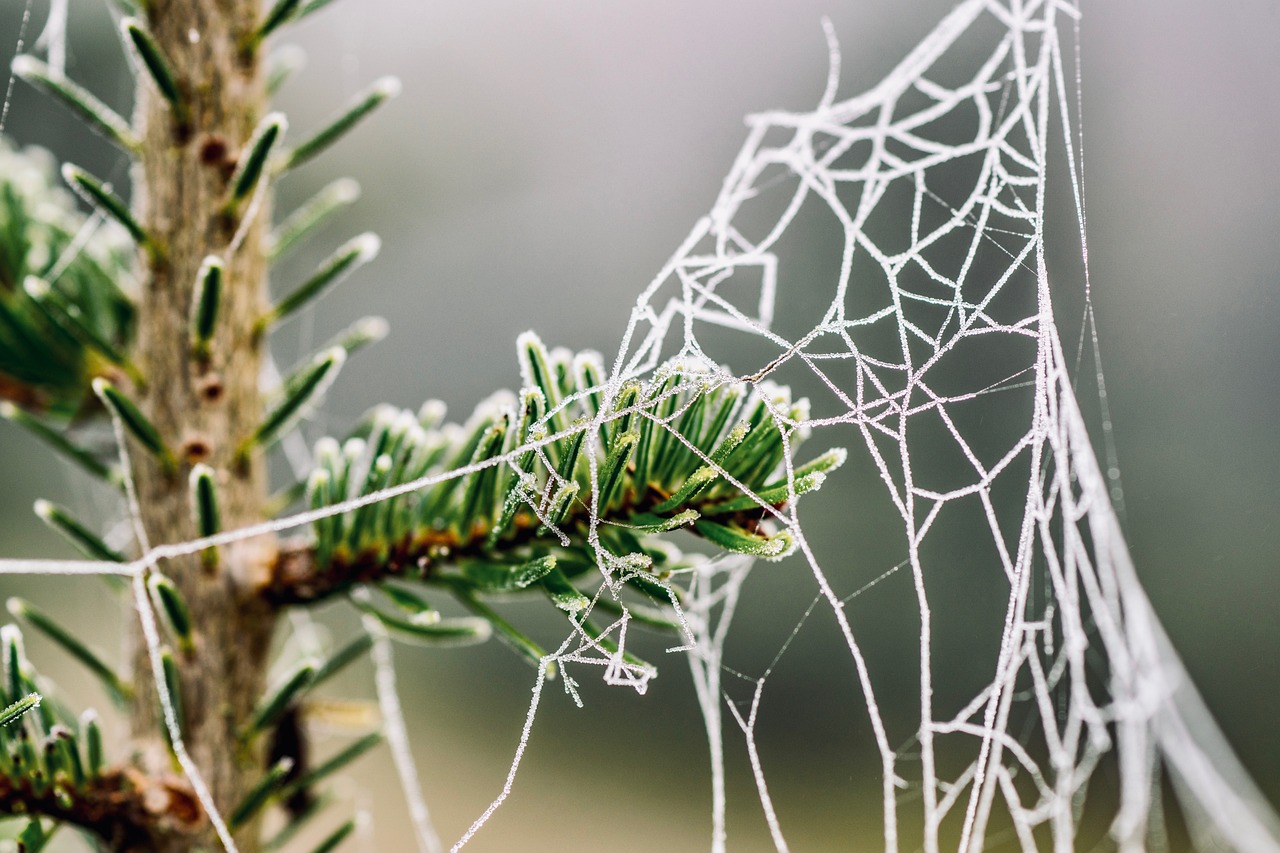
Stump culture for Cristmass trees
Stump culture for Christmas trees is a specific pollarding methodology, tailored for sustainable Christmas tree harvesting. Unlike complete tree removal, this method allows trees to regrow from their trunks. There are several key considerations: Initially let the tree...
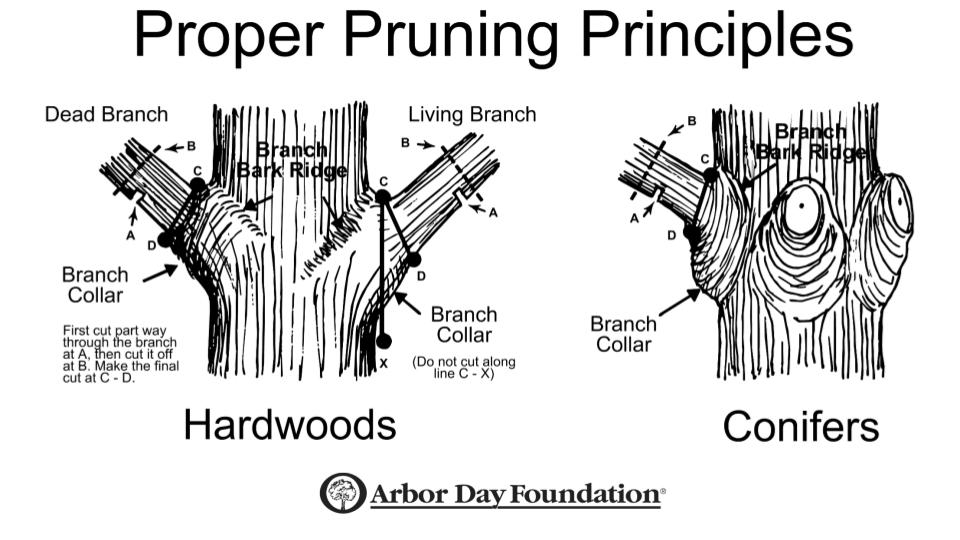
The Three Cut Method
There is a right way to remove branches from the tree in order to inflict minimum damage. This is the Three Cut Method.
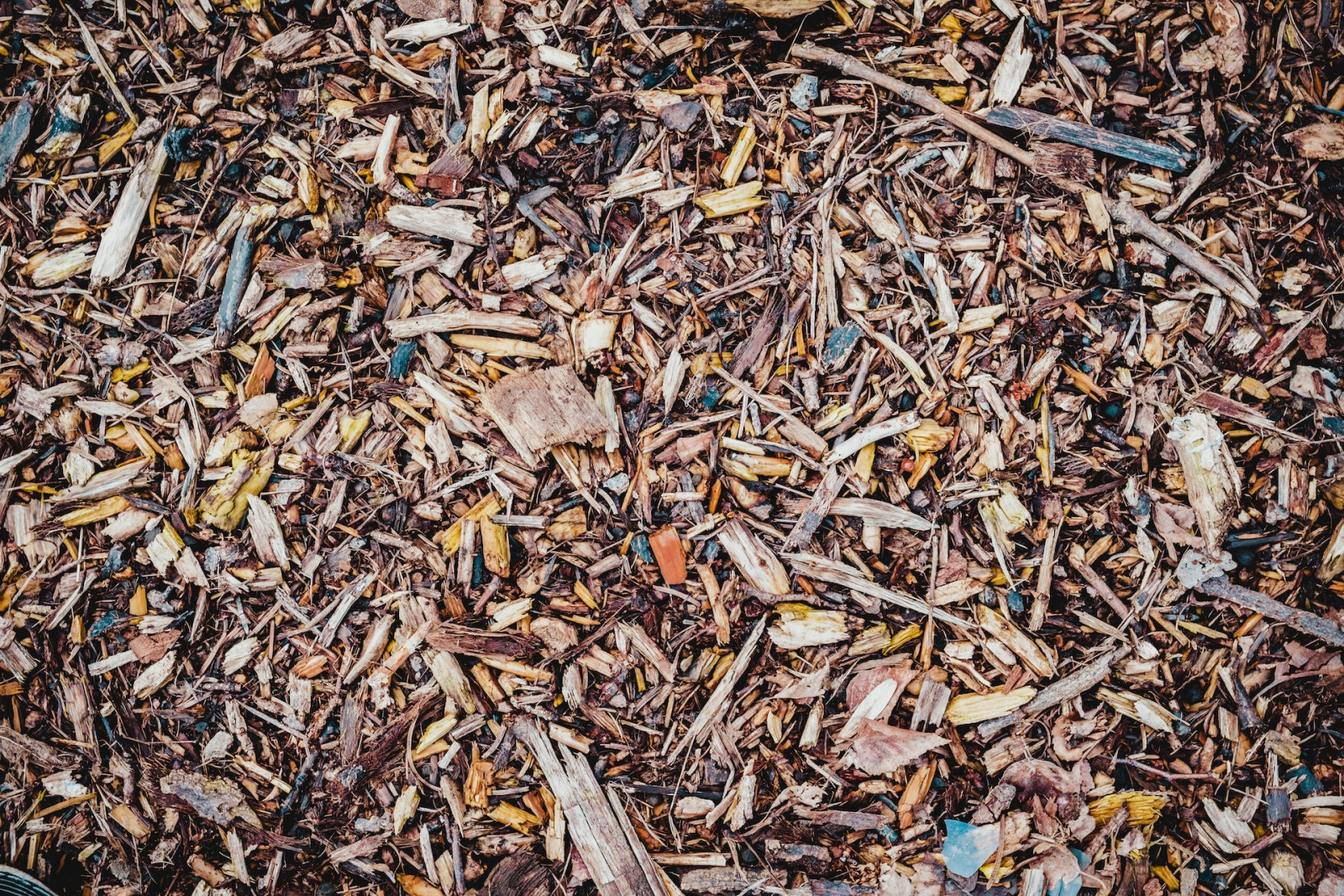
What is ramial chipped wood (RCW)?
"RCW are made from tree parts, branches, twigs and leaves rich in nutrients, sugar, protein, cellulose, and lignin, which all play a precise and specific role in the formation and maintenance of fertile soils. This is not the case for barks, trunk wood, sawdust, wood...